“Neurodiversity is not a deviation, it is a different way of thinking and being, and that is precisely what makes the world richer.”
Saskia Schepers
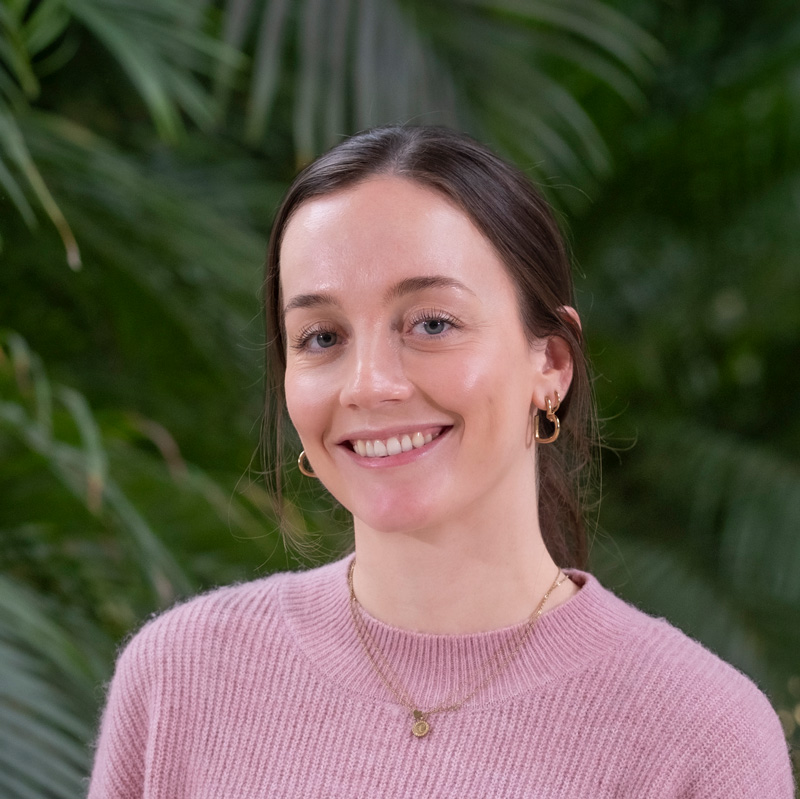
Carmen E.J. de Vries
Position: Nurse and Nurse Scientist
Background:
Nurse:
2021-present: Erasmus University Medical Center
2019-2021: Jeroen Bosch Hospital
Nurse Scientist:
2025-present: Erasmus University Medical Center: PhD Candidate
2022-2025: Erasmus University Medical Center: junior Researcher
Interest in Neurodiversity:
Since 2024, I have increasingly immersed myself in neurodiversity and its impact on society, with a particular focus on healthcare. As a nurse, I observed how some colleagues struggled with the high demands placed on them. What stood out to me most, however, was how colleagues who worked differently were treated. Instead of being supported, they were often talked about or complained about.
My journey began with reading books such as ‘Als alle breinen werken’ by Saskia Schepers and ‘The Power of Neurodiversity’ by Thomas Armstrong. Further literature research revealed that neurodiversity is increasingly being examined across various sectors, while research within healthcare—and particularly within nursing—remains limited.
I operate from the hypothesis that neurodiversity can offer valuable contributions to nursing practice, provided that there is space to leverage individuals’ strengths and to offer appropriate support for their challenges.
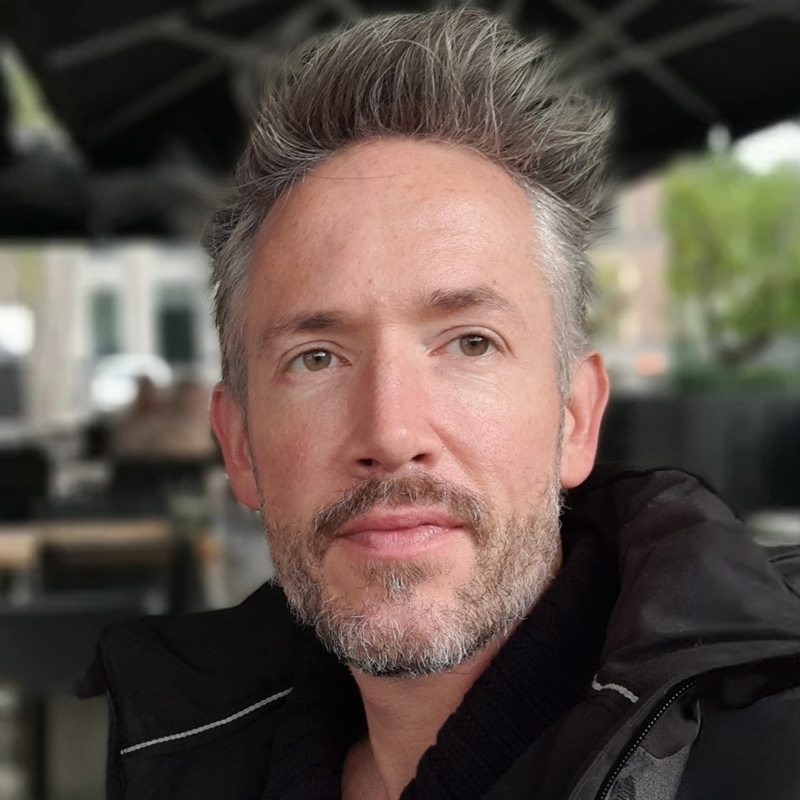
Léon C. de Bruin
Position: Professor of Cognitive Diversity (Radboud University Nijmegen), Professor of Philosophy of Neuroscience (Amsterdam UMC)
Background:
2005-2009: PhD in Philosophy, Leiden University
2006-2007: MSc in Cognitive Neuropsychology, Leiden University
2003-2004: MA in Philosophy, Vrije Universiteit Amsterdam
Interest in neurodiversity:
My interest in neurodiversity initially arose in the context of education. In the courses I taught, I increasingly encountered students with an official diagnosis (ADHD, autism, anxiety disorders, borderline personality disorder), as well as those who identified as gifted or highly sensitive. This raised the question of how to engage meaningfully with these differences in educational practice and how such variations could be appropriately recognized and supported.
In my research over the past years, I have increasingly focused on the philosophy of psychiatry, particularly on the question of who or what determines what constitutes a mental disorder, and how this boundary is drawn in relation to what is considered ‘normal’ functioning. Gradually, a personal dimension became intertwined with this research focus. I have a formal diagnosis of ADHD and recognize various traits associated with autism spectrum conditions, yet for a long time I had not explicitly connected my own experiences with my work as a teacher and researcher.
Since then, I have come to realize the importance of integrating these aspects of oneself into one’s professional life. While this process can be challenging, it can also be a source of strength, insight, and authenticity. In my inaugural lecture From Disorder to Difference (2025), I therefore advocate for a more inclusive understanding of neurodiversity—not only in education, but also in institutional contexts such as the military, the legal system, and healthcare.
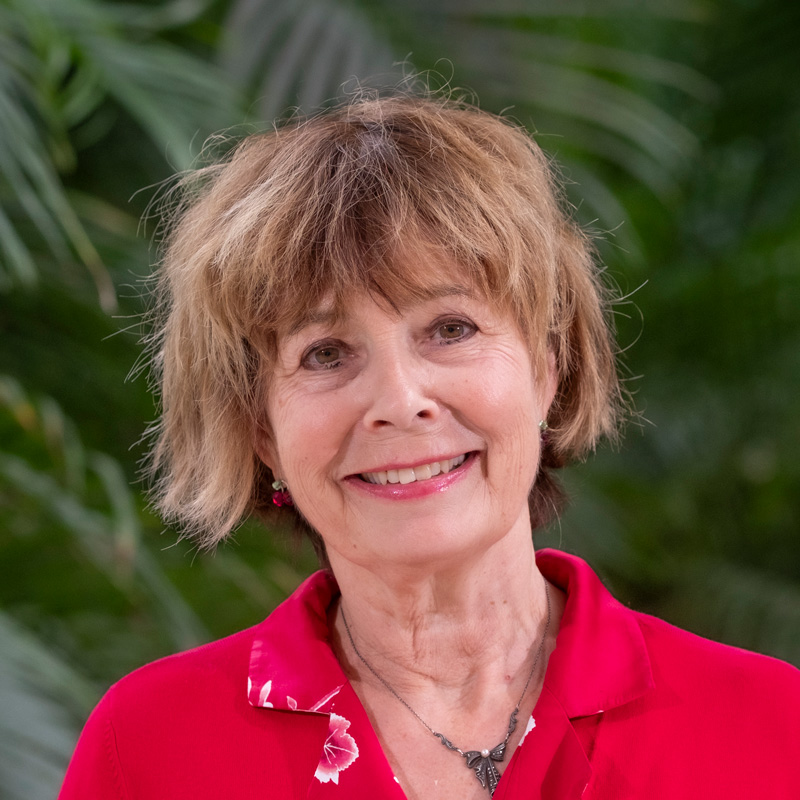
Monique van Dijk
Position: Professor of Nursing Science and Coach
Background:
2017-2025: Professor Nursing Science, Erasmus University Medical Center
1995-2001: PhD postoperative pain assessment in neonates and infants
1987-1993: Master Psychology, University Leiden
1978-1990: Inservice training Nursing A and B (psychiatry)
Interest in neurodiversity:
In recent years, my interest in neurodivergence has deepened, especially as I’ve witnessed some colleagues struggling with the high demands and rigidity within their organizations. At the same time, I have also observed individuals who, by embracing their neurodivergence, were able to leverage their unique qualities to generate creative ideas and innovative solutions. I am increasingly realizing that neurodiversity exists on a continuum, and that the division between neurodivergent and neurotypical is overly simplistic.
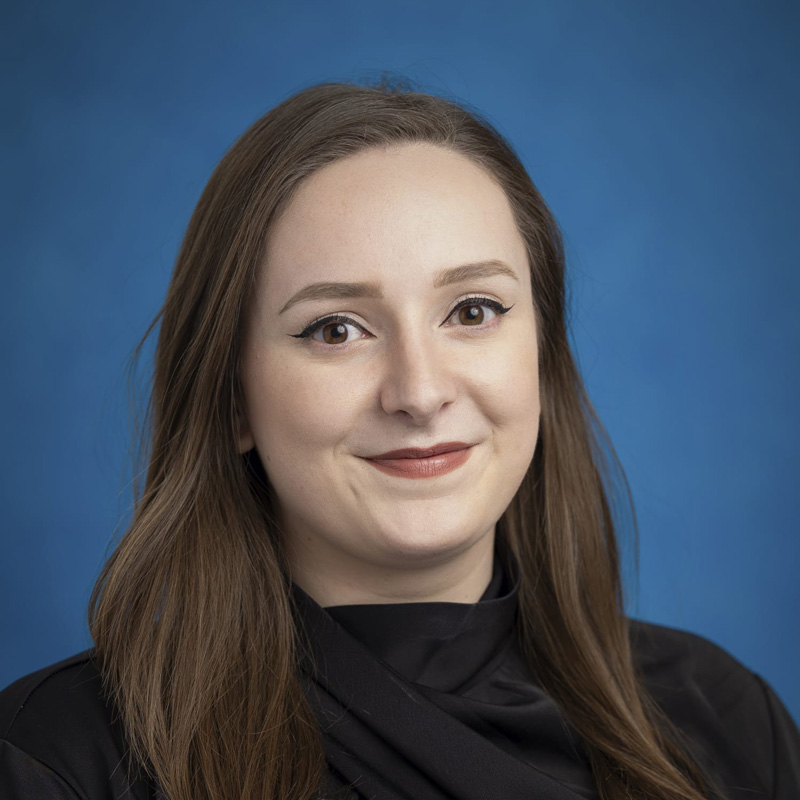
Amber Kersten
Position: Assistant Professor of Strategic and Inclusive HRM, Tilburg University, Field Leader of WAVE (startawave.nl), Fontys University of Applied Sciences
Background:
2024 – present: Assistant Professor, Tilburg University
2020-2024: PhD, Tilburg University and TNO
2019-2020: Lecturer in Human Resource Studies, Tilburg University
Interest in neurodiversity:
Several years ago, my research began focusing on the role of employers in promoting inclusion within our labor market. I explored questions such as: “What motivates employers to be involved or not involved with inclusion?” and “How do they build inclusivity within their organizations?” This journey led me to the topic of neurodiversity. It turned out that the diversity in thinking and behavior associated with neurodiversity presented significant challenges for many employers. Yet, research into these challenges was still lacking.
In the subsequent research, I, together with a group of talented and neurodiverse colleagues, focused on insights that could help employers embrace neurodivergence (and neurodiversity) more positively. This requires a mindset shift from employers. Rather than focusing on perceived shortcomings, the focus should be on aligning the context with an individual’s needs and talents. And when this alignment succeeds, it can lead to incredibly fruitful collaborations that allow diversity in thinking and action to flourish.